Understanding YouTube’s Community Guidelines on Harassment and Defamation
If someone has posted a video attacking you, spreading lies about you, or exposing your private information, you are probably feeling overwhelmed right now. You want the content gone, and you want to understand your options. YouTube has rules that cover this exact situation, but the rules for harassment and the rules for defamation work very differently, and mixing them up can slow down your case.
This guide breaks down exactly what YouTube considers harassment, what it considers defamation, and why the platform treats these two categories with such different levels of urgency. You will also get a clear picture of the reporting process, the mistakes that get reports rejected, and the next steps if your first attempt does not work.
Before you file anything, it helps to know your rights and your realistic outcomes. That way you spend your energy on the path most likely to get results.
Key Takeaways
- YouTube’s harassment policy covers repeated insults, threats, doxxing, and malicious attacks based on personal attributes.
- A single critical comment is not harassment under YouTube’s rules, but a pattern of targeted abuse usually is.
- YouTube generally will not remove a video for defamation alone because of legal protections under Section 230 of the Communications Decency Act.
- Defamatory content often needs to violate a separate policy, such as harassment or impersonation, or be backed by a court order before YouTube will act.
- Reports with clear evidence, timestamps, and the correct category are far more likely to succeed.
- If a standard report fails, a formal legal removal request is usually the strongest remaining option.
What Counts as Harassment on YouTube
YouTube’s harassment and cyberbullying policy exists to stop people from being targeted, humiliated, or threatened on the platform. The company reviews both the video content and the surrounding comments when deciding whether a violation occurred.
Prolonged or Malicious Insults
Content that repeatedly insults a person based on something they cannot easily change violates this policy. This includes comments about someone’s race, gender identity, sexual orientation, religion, disability, or physical appearance when the intent is to demean rather than critique.
A single harsh opinion about someone’s work or public actions usually does not qualify. YouTube looks for a pattern of targeted, malicious behavior aimed at a specific person.
Doxxing and Private Information
Sharing someone’s home address, phone number, workplace, financial details, or other private identifying information without consent is treated as a serious violation. This applies even if the information is technically accurate, because the harm comes from exposing someone to real world risk.
Threats and Incitement
Any content suggesting violence against a real person, including implied or veiled threats, breaks this policy. This also covers encouraging viewers or fans to harass someone, sometimes called stochastic terrorism in academic literature, as well as swatting, stalking, or blackmail attempts.
Sexual Harassment and Unwanted Sexualization
Content that sexualizes someone without their consent, including through comments, thumbnails, or editing choices, is also prohibited. This protects both adults and minors, with even stricter enforcement when a minor is involved.
What YouTube Does Not Treat as Harassment
Understanding the limits of this policy matters just as much as understanding what it covers. YouTube protects a wide range of speech, including strong criticism, satire, and commentary on matters of public interest.
- Disagreeing with someone’s opinion or calling their argument wrong
- Reviewing a product, business, or public performance harshly
- Reporting factual news about a public figure’s conduct
- Parody or comedic exaggeration that a reasonable viewer would recognize as such
If content falls into one of these categories, a harassment report is unlikely to succeed, even if the subject of the video feels hurt by it.
How YouTube Defines and Handles Defamation
Defamation is a legal concept, not a community guidelines category by itself. It refers to a false statement of fact, published to others, that damages a person’s reputation. On YouTube this typically shows up as false accusations of crimes, fraud, infidelity, or professional misconduct.
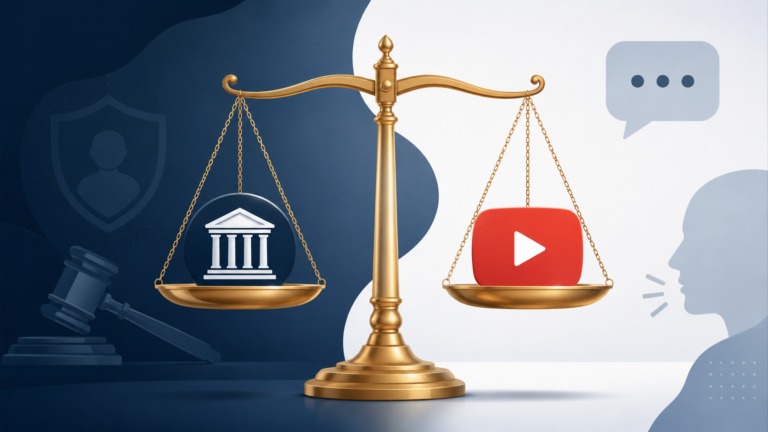
Why Defamation Is Different From Harassment
Harassment is judged against YouTube’s own written policy, and the platform’s trust and safety team can make that call internally. Defamation requires determining whether a statement is actually false and damaging, which is a legal question that a private company is generally not equipped or willing to decide on its own.
Section 230 and Why Videos Often Stay Up
Under Section 230 of the Communications Decency Act, platforms like YouTube are shielded from liability for most content their users post. YouTube has stated publicly that it is not in a position to judge the truthfulness of a video, so it typically will not remove content solely because someone claims it is defamatory.
This is frustrating for victims, but it explains why a defamation report alone often gets denied even when the claims in the video are false.
When YouTube Will Actually Act on Defamation
YouTube is far more likely to remove defamatory content when one of the following applies.
- The video also violates a separate policy, such as harassment, impersonation, or privacy
- A court has issued a legal order specifically finding the content defamatory and ordering removal
- The uploader voluntarily agrees to take the video down after being contacted
Because of this, most successful defamation cases end up combining a Community Guidelines report with a formal legal process. Before you reach that stage, it is worth reviewing your full options so nothing is missed, so make sure to get help removing defamatory YouTube content and confirm which path fits your situation.
Harassment Policy vs Defamation Policy Compared
| Factor | Harassment Policy | Defamation Policy |
|---|---|---|
| Type of rule | Community Guidelines violation | Legal claim |
| Who decides | YouTube trust and safety team | Court or judge, in most cases |
| Evidence needed | Screenshots, timestamps, pattern of behavior | Proof the statement is false and damaging |
| Typical response time | Days to a couple of weeks | Weeks to months, often longer with legal steps |
| Standard outcome | Warning, strike, or removal | Removal usually requires court order or added policy violation |
| Best first step | Report through the harassment form | Document everything, then consider legal counsel |
Step by Step, How to Report a Harassment Violation
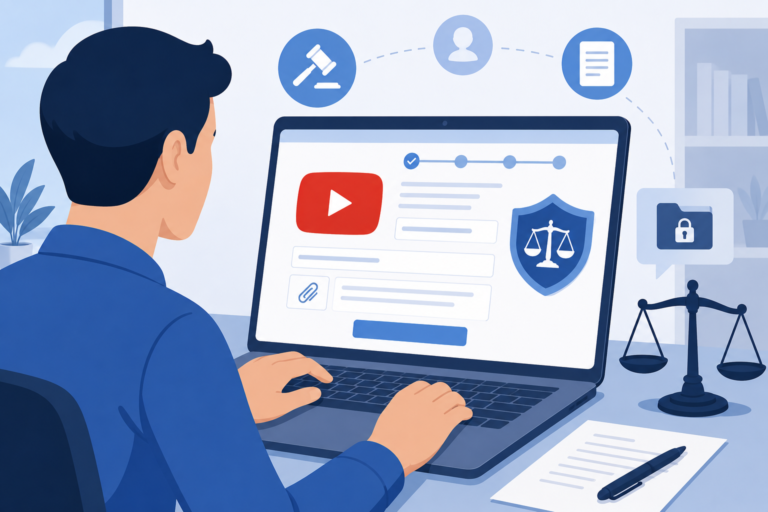
- Open the video or comment section on YouTube and click the three dot menu.
- Select the report option and choose harassment or cyberbullying as the reason.
- Add timestamps if the harassment occurs at a specific point in the video.
- Explain in plain language why the content targets you or another individual.
- Submit the report and save a copy of your submission for your own records.
- Check YouTube Studio or your notifications for updates on the review.
- If denied, review the decision and consider whether a different category applies.
Step by Step, How to Report Defamatory Content
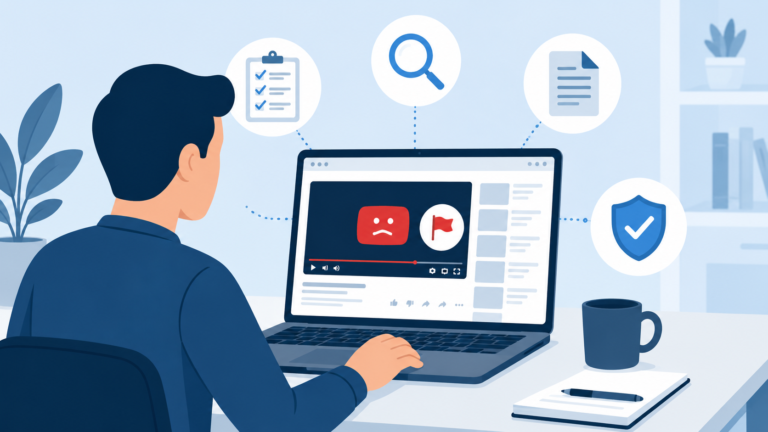
- Document the video with screenshots, the direct URL, and the exact timestamp of the false claim.
- Compare the statement against known facts and gather proof that it is false.
- Attempt to contact the uploader directly and request a correction or removal.
- File a report through YouTube’s defamation complaint page if one is offered in your region.
- If the report is denied, consult an attorney about a cease and desist letter or a formal legal filing.
- If needed, pursue a court order that specifically identifies the video and directs its removal.
If you are earlier in this process and have not yet contacted the uploader or gathered your documentation, it is worth pausing here. Many people rush straight to legal action, so we recommend you follow the pre-removal steps first, since a well-documented approach often resolves cases faster and strengthens any later legal request.
The YouTube Strike System Explained
YouTube uses a strike system to penalize repeated policy violations.
- First violation typically results in a warning with no strike, along with the option to complete a policy training
- A confirmed violation after that results in a Community Guidelines strike
- Three strikes within a 90 day period generally leads to channel termination
- A single severe violation can sometimes result in immediate termination without warnings
Understanding this system helps you gauge how seriously YouTube may treat a repeat offender’s channel, and it can guide whether you report just the video or the entire channel.
Common Mistakes People Make When Reporting
- Choosing the wrong report category, such as reporting harassment when the real issue is copyright infringement
- Submitting a report with no timestamps or specific examples
- Assuming a false statement automatically qualifies as removable defamation
- Sending an emotional message instead of a factual, professional report
- Giving up after one denial instead of trying a different policy angle or legal route
- Waiting too long to document evidence before the uploader edits or deletes the video
Best Practices for Building a Strong Report
- Keep your language factual, specific, and free of emotional language
- Reference the exact YouTube policy you believe was violated
- Save screenshots and video links before you submit anything, in case the content changes
- Report both the video and any relevant comments if they are part of the pattern
- Follow up through YouTube Studio if you do not receive a response within a reasonable time
- Keep a written timeline of every report, response, and follow up action you take
Expert Tips
Trust and safety professionals who review large volumes of takedown requests generally agree on a few things that improve your odds.
- Reports written like a factual incident summary get reviewed faster than reports written as personal pleas.
- Grouping related evidence into one clear, organized submission works better than sending multiple scattered reports.
- If your first report is denied, request a manual review rather than resubmitting the exact same report, since YouTube can flag repeated identical submissions as spam.
What To Do If YouTube Denies Your Request
A denial is not the end of the road. Many valid cases require more than one attempt before they succeed.
- Reassess which policy actually fits your situation, since a video can violate more than one rule
- Escalate to a formal legal complaint if the content is truly defamatory and harmful
- Consider working with an attorney who has experience with online content removal, since they can draft a letter that carries more weight than an individual report
- If your case involves clear legal violations, learn how to file a legal removal request so you understand the documentation and court process required to compel removal
Protecting Yourself Before You Report
Before submitting any report, secure your own accounts and information. Update your passwords, review your privacy settings, and limit what personal information is publicly visible on your channel and social profiles. This reduces the chance of retaliation while your report is under review.
It also helps to avoid engaging publicly with the person who posted the content while your case is pending, since public arguments can complicate a legal claim later.
When to Get Professional Help
If the situation involves ongoing harassment, threats to your safety, or a defamation claim that is damaging your career or business, professional support can make a real difference. Attorneys who specialize in online reputation and content removal understand exactly which language and documentation YouTube’s legal team responds to.
If you are dealing with a video that continues to harm your reputation despite your reports, get help removing defamatory YouTube content from a team that handles these cases regularly, since they can often move faster than an individual working alone.
Conclusion
YouTube treats harassment and defamation as two very different problems, even though they often show up together in the same video. Harassment is judged against the platform’s own written rules, which gives you a real chance at a quick removal if your evidence is strong. Defamation is a legal question that YouTube is reluctant to decide on its own, which means your fastest path usually runs through documentation, direct contact, and, when needed, formal legal action.
Take the time to identify exactly which policy applies to your case, build a clear and factual report, and do not be discouraged by an initial denial. With the right approach and, when necessary, the right legal support, most harmful content can eventually be addressed.
Frequently Asked Questions
Does YouTube remove videos just because they contain false information about a person? Not automatically. YouTube generally will not remove a video for defamation alone unless it also violates another policy or a court has ordered its removal.
What is the difference between criticism and harassment on YouTube? Criticism addresses someone’s work, opinions, or public conduct, while harassment involves repeated, malicious attacks aimed at a person’s identity or personal safety.
Can one negative comment get a channel banned? No. YouTube looks for a pattern of targeted abuse rather than a single critical comment before taking action against a channel.
How long does YouTube take to review a harassment report? Response times vary, but most reports are reviewed within a few days to a couple of weeks depending on the complexity and volume of reports at that time.
Do I need a lawyer to report harassment on YouTube? No, harassment reports can be filed directly by anyone through the standard reporting tools without legal representation.
Do I need a lawyer to remove defamatory content? Not always, but if a standard report is denied, legal support often becomes necessary because YouTube frequently requires a court order for defamation specific removals.
What happens after three Community Guidelines strikes? A channel that receives three strikes within a 90 day period is typically terminated, though a single severe violation can lead to immediate termination.
Can I report an entire channel instead of one video? Yes, YouTube allows you to report a channel if the pattern of violations extends across multiple videos or if the channel’s primary purpose appears to be targeting a specific person.
What evidence should I include in a defamation report? Include the exact video link, timestamps of the false claims, and any proof showing the statements are factually incorrect and damaging to your reputation.
Is doxxing treated as harassment or as a separate violation? Doxxing falls under YouTube’s harassment and cyberbullying policy, since sharing private information is considered a form of targeting and threatens a person’s safety.